
Lemon Juicer Machine with Integrated Crushing and Pressing
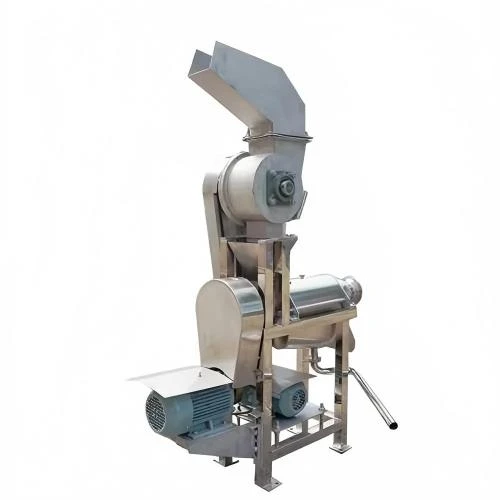
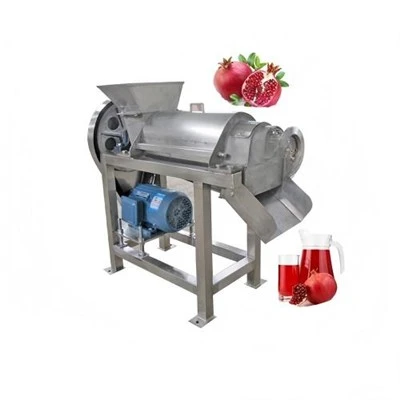
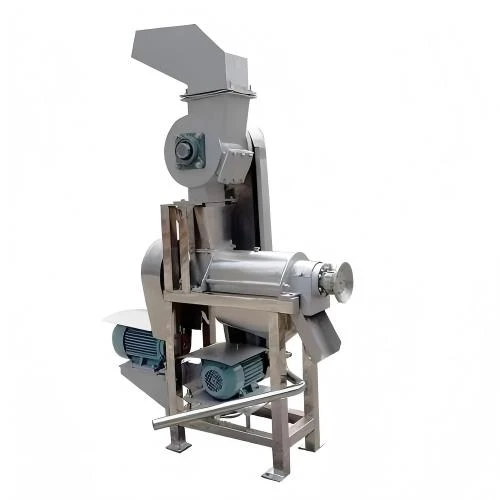
A lemon juicer machine combines fruit size reduction with continuous screw pressing in one compact processing unit. Whole or prepared lemons enter the upper crusher, where the fruit is broken into a pumpable mass. The material then drops directly into the horizontal pressing chamber. A rotating screw moves it along the filter screen, releases juice through the 0.6 mm apertures, and pushes pomace toward a separate discharge point. This direct transfer reduces the need to handle crushed fruit between two independent machines.
At AGICO, we treat capacity as a line-design question rather than a catalogue number alone. Fruit size, peel proportion, feeding consistency, required juice characteristics, and the equipment before and after the press all affect practical operation. The four models on this page cover nominal inputs from 500 to 2,500 kg/h. Buyers should select them against the prepared-fruit flow expected during a working shift, not simply the largest hourly figure.
Engineering Features That Affect Daily Production
-
Crusher-to-Press Flow
The crusher sits above the screw press, so fragmented lemon material falls into the pressing chamber without an intermediate transfer step. This arrangement is useful where floor space and material handling need to stay controlled. The buyer should still confirm feed height, safe access to the hopper, and the method used to supply fruit at a steady rate.
-
Defined Juice Filtration
All listed models use a 0.6 mm filter-screen aperture. The screen provides an initial separation while juice exits below the chamber and pressed solids continue forward. It does not replace any fine filtration specified later in the process. Screen condition, fruit maturity, and feed consistency influence liquid flow and cleaning frequency.
-
Separate Drive Sizing
The crusher and juicer have separate power ratings, allowing each stage to be matched to its mechanical load. Larger models require a substantial increase in total rated power, especially the 2500C. Electrical supply, protection, cable sizing, and starting method must therefore be checked against the selected model before installation.
-
SUS304 Product Contact
The listed construction uses SUS304 stainless steel, which supports food-contact cleaning and routine washdown when handled according to the operating instructions. Material grade alone does not determine hygiene: access to the crusher, screen, screw, juice tray, and discharge points is equally important when planning sanitation between batches.
Technical Data of the Lemon Juicer Machine
The range uses the same listed rotational speed, screen aperture, voltage, frequency, and material, while throughput, screw diameter, installed power, weight, and overall dimensions change by model. We recommend checking the lowest stable feed rate as well as the desired peak rate, because an oversized machine may not receive material consistently from a smaller upstream line.
| Model | AGICO-500C | AGICO-1000C | AGICO-1500C | AGICO-2500C |
| Processing Capacity | 500 kg/h | 1,000 kg/h | 1,500 kg/h | 2,500 kg/h |
| Crusher + Juicer Power | 1.5 + 2.2 kW | 1.1 + 2.2 kW | 1.5 + 4 kW | 5.5 + 15 kW |
| Total Rated Power | 3.7 kW | 3.3 kW | 5.5 kW | 20.5 kW |
| Screw Diameter | 88 mm | 125 mm | 175 mm | 250 mm |
| Rotational Speed | 380 rpm | 380 rpm | 380 rpm | 380 rpm |
| Filter Screen Aperture | 0.6 mm | 0.6 mm | 0.6 mm | 0.6 mm |
| Voltage / Frequency | 380 V / 50 Hz | 380 V / 50 Hz | 380 V / 50 Hz | 380 V / 50 Hz |
| Machine Weight | 115 kg | 155 kg | 280 kg | 630 kg |
| Dimensions (L × W × H) | 1,000 × 330 × 1,220 mm | 1,150 × 380 × 1,220 mm | 500 × 480 × 1,400 mm* | 2,090 × 700 × 1,560 mm |
| Material | SUS304 stainless steel | SUS304 stainless steel | SUS304 stainless steel | SUS304 stainless steel |
Lemon Preparation and Production-Line Integration
A practical lemon-processing shift starts before fruit reaches the hopper. Operators should remove unsuitable fruit and foreign material, control the feed so the crusher is not flooded, and decide whether the intended product can accept juice extracted with peel present. Peel contributes oil and bitter compounds, so the preparation method should follow the required flavor profile rather than a generic whole-fruit rule.
During continuous operation, the juice outlet needs a clean receiving vessel or connected transfer route, while pomace needs its own container or conveyor. Both routes must remain accessible without forcing operators to work around the drive or discharge area. Our team normally asks for the upstream delivery height, downstream tank position, available floor area, and planned cleaning access before confirming the machine arrangement.
Typical installations include juice workshops, beverage plants, citrus-processing rooms, and ingredient preparation lines. The machine performs crushing and primary screw pressing; clarification, fine filtration, blending, thermal treatment, or filling remain separate processes when required by the finished product.

From Fruit Feeding to End-of-Batch Cleaning
01
Inspect and Feed
Check lemons for foreign objects and unsuitable fruit, then feed at a rate the crusher and screw press can accept continuously. Stable feeding helps avoid alternating empty running and sudden overload.
02
Crush and Transfer
The upper mechanism breaks the fruit and lets the mass fall into the press. Operators should watch the transition area for abnormal accumulation instead of relying only on nominal hourly capacity.
03
Press and Separate
The 380 rpm screw moves crushed material along the 0.6 mm screen. Juice passes through for collection while pomace exits separately. Outlet flow and solids condition provide useful operating feedback.
04
Stop, Isolate, and Clean
At changeover, stop feeding, let the chamber clear, isolate power, and clean the hopper, crusher, screw, screen, juice-contact surfaces, and outlets according to the supplied manual. Residue trapped at the screen or discharge can affect the next batch.
Frequently Asked Questions
-
Can whole lemons be fed directly?
The integrated crusher is intended to reduce fruit before pressing, but preparation depends on the required juice. If peel-derived oil or bitterness is a concern, confirm the preparation method through representative material evaluation.
-
How should I choose among the four models?
Match capacity to the stable prepared-fruit supply, shift duration, electrical service, downstream collection, available space, and cleaning schedule. Our team can review these details before recommending a configuration.
-
Does the 0.6 mm screen produce finished clear juice?
It provides primary separation in the press. Fine filtration or clarification may still be required, depending on the desired beverage or ingredient specification.
-
What information is needed for a proposal?
Provide lemon condition, preparation method, hourly and daily input, desired juice characteristics, power supply, upstream and downstream equipment, layout limits, and sanitation expectations. These details allow a project-specific review without relying on capacity alone.
Hot Tags: lemon juicer machine, China lemon juicer machine manufacturers, suppliers, factory, Belt Fruit Drying Machine, Carrot Cutting Machine, Fruit Dicing Machine, Fruit Vegetable Dehydration Equipment, Fruit Vegetable Shrink Wrapping Machine, Fully Automatic Fruit Vegetable Processing Line