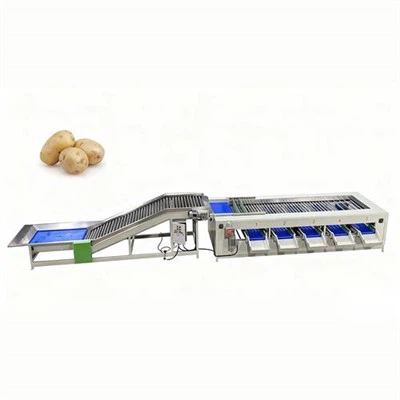
In 2026, the beverage landscape is shifting faster than ever. As consumers trade sugary sodas for functional juices and plant-based alternatives, manufacturers are facing a new challenge: how to process these complex raw materials efficiently. This shift has placed pretreatment equipment at the very heart of modern production lines.
Why Pretreatment Matters Now

Pretreatment isn't just a preliminary step-it's where the quality is won or lost. From the initial fruit washing and crushing to enzyme treatment and membrane filtration, these early stages determine 15% to 30% of the final product's quality and cost.
Simply put, if your pretreatment is inefficient, you are literally pouring profits down the drain.
Market Momentum: 2025-2034
After ending 2025 with a market value of roughly USD 30 billion, the global beverage processing sector is on track to hit USD 51–55 billion by 2034. With a steady CAGR of 6.5%, the industry is investing heavily in tech upgrades.
What Is Driving This Rapid Growth?
The Labor Gap
With rising labor costs, factories are turning to full automation to keep margins healthy.
"Clean Label" Demands
Consumers want nutrients, not chemicals. This has sparked a massive move toward non-thermal processing methods that preserve vitamins.
Regulatory Pressure
Stricter food safety standards in 2026 mean that older, manual systems are no longer compliant.
Regional Upgrades
While North America is focusing on high-tech replacements, the Asia-Pacific region is building massive new capacities to meet local demand.
Maximizing Your Yield
Forward-thinking plants are already seeing the benefits of upgrading. By implementing advanced crushers, specialized enzyme tanks, and membrane filtration, factories are reporting yield increases of 10% to 20% while significantly cutting down on waste.
AGICO Commitment to Your Production Our latest pretreatment systems are designed with two goals in mind: energy efficiency and ease of maintenance. With our advanced CIP (Cleaning-in-Place) technology, you can meet the rigorous 2026 safety standards without sacrificing uptime.