
Industrial Lemon Slicer for Controlled Bulk Cutting
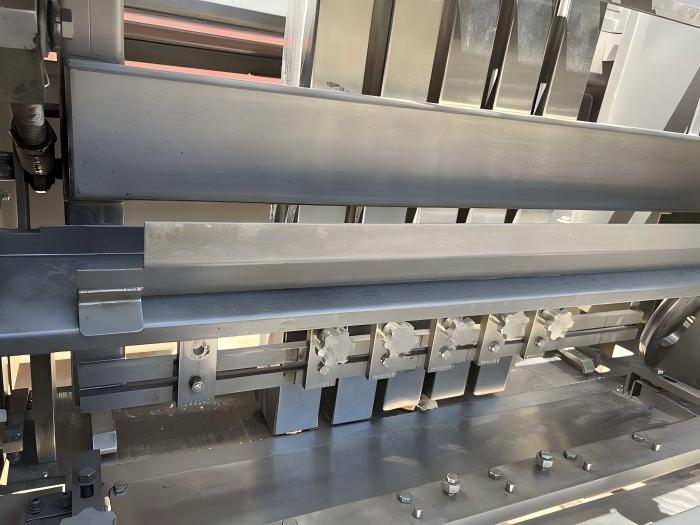
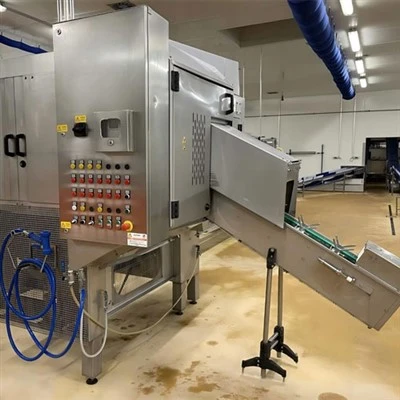
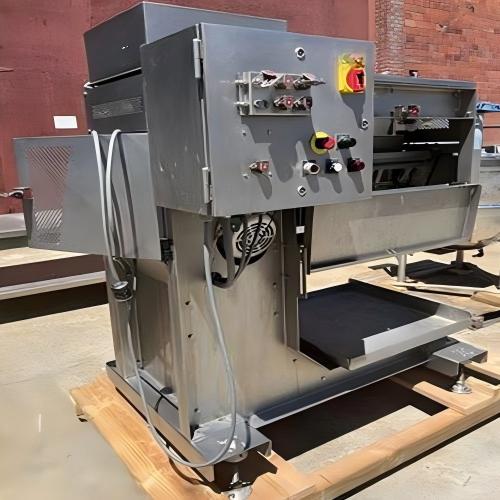
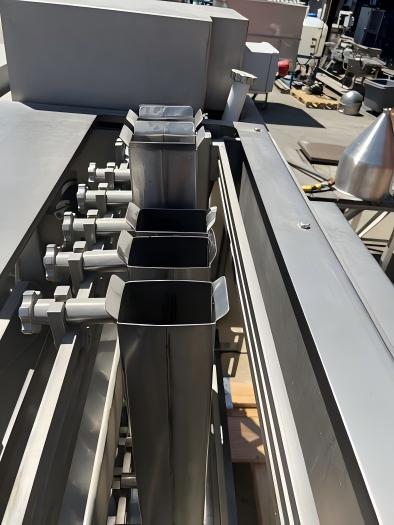
The AGICO-1000 lemon slicer machine is designed for processors that need a continuous flow of uniform citrus slices rather than slow, piece-by-piece preparation. Five gravity-fed lanes guide lemons toward the cutting zone, where an adjustable mechanism produces slices for fresh-cut packing, garnish preparation, drying, infusion, cooking, or further processing. The cantilevered discharge layout also gives line designers a practical interface for a takeaway conveyor or receiving system.
At AGICO, we treat slice quality as a result of the complete operating condition. Fruit diameter, shape, firmness, temperature, feed consistency, blade condition, stroke setting, and downstream handling all influence the result. The machine accepts products up to 127 mm in diameter and can also handle limes, oranges, tomatoes, onions, and comparable fresh produce, but representative samples should be evaluated before the final configuration is fixed.
Key Features That Matter on the Production Floor
Each feature has value only when it matches the fruit supply and the next process.
Five Feed Lanes
Parallel lanes distribute product across the cutting width. Even loading helps avoid an idle lane beside an overloaded one, so upstream operators or conveyors should maintain a steady supply.
Adjustable Cutting
Standard thickness covers 3.175–12.7 mm, with an optional maximum up to 38.1 mm. The selected setting must reflect the recipe, fruit firmness, package presentation, and acceptable variation.
Continuous Operation
Gravity feeding and adjustable speed support continuous bulk slicing. Sustainable output still depends on fruit presentation, operator rhythm, blade condition, and the capacity of the receiving equipment.
Technical Data and Configuration Decisions
| Parameter | Specification |
|---|---|
| Model | AGICO-1000 |
| Machine Type | Industrial fresh-produce bulk slicer |
| Suitable Products | Lemons, limes, oranges, tomatoes, onions, and other fresh produce |
| Feeding / Lanes | Continuous gravity feeding / 5 lanes |
| Maximum Cutting Speed | Up to 120 strokes/min per lane |
| Maximum Product Diameter | 127 mm / 5 in |
| Cutting-Zone Width | 762 mm / 30 in |
| Standard Slice Thickness | 3.175–12.7 mm / 0.125–0.5 in |
| Optional Maximum Thickness | Up to 38.1 mm / 1.5 in |
| Line Height | 889 mm / 35 in |
| Control | Adjustable speed and thickness |
| Construction | Stainless steel |
| Electrical Supply | 230 VAC, 50/60 Hz, 3-phase |
| Integration | Cantilevered discharge for conveyors, dryers, or cooking lines |
Model selection should begin with a short production brief. Record the fruit varieties used during the year, the diameter distribution after grading, the required slice thickness for each recipe, and the planned hours per shift. A buyer running firm lemons for drying may prioritize consistent thickness and an orderly belt pattern, while a central kitchen preparing garnish may care more about appearance, changeover speed, and manageable batch quantities. The same nominal machine therefore needs a different operating agreement in each plant.
The electrical supply also deserves an early check. The listed configuration is 230 VAC, 50/60 Hz, three-phase, but the delivered controls and protection devices must match the destination site. Confirm available voltage, phase, frequency, plug or hard-wired connection, local isolation requirements, and the location of the control side. Space should be reserved for safe feeding, blade access, sanitation, and removal of the downstream conveyor. Our team will normally review these interfaces together because a correct slicer specification can still perform poorly when fruit queues at the inlet or finished slices collect beneath the discharge.
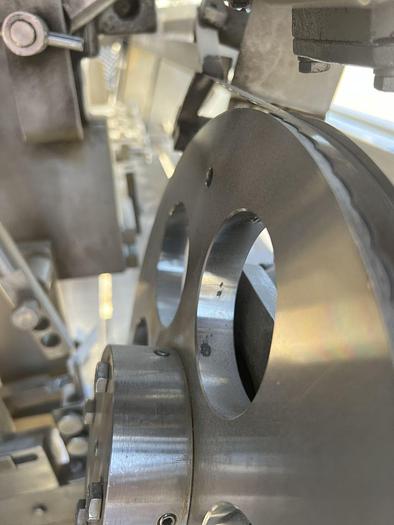
Applications and Production-Line Interfaces
The same cutting machine can serve different processes, but the receiving conditions must be designed around the finished slice.
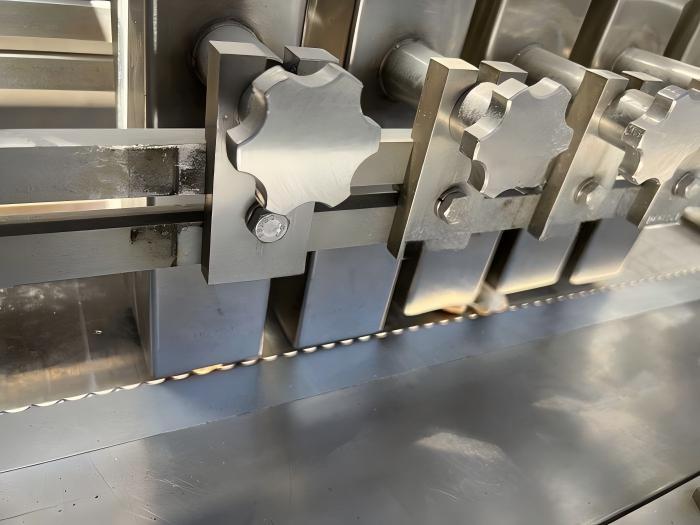
Fresh-Cut and Ingredient Preparation
Lemon and lime slices may go to retail packs, beverage garnish, infusion, or catering preparation. Here the buyer should define visual tolerance, rind condition, seed handling, and the time between cutting and packing. Tomatoes and onions require separate trials because their texture and internal structure differ from citrus.
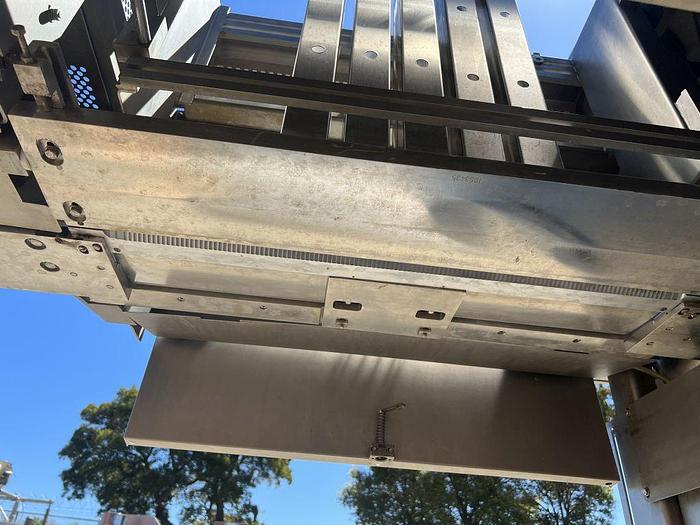
Drying, Cooking, and Transfer
The 889 mm line height and cantilevered discharge help position a conveyor or receiver beneath the cutting area. Downstream speed should prevent pile-up and slice deformation. For a dryer or cooking line, define belt width, product depth, transfer gap, elevation, and allowable accumulation before layout approval.
How the Lemon Slicing Process Works
01
Inspect and grade. Remove unsuitable fruit and separate extreme sizes. Confirm that diameter is within the machine limit and that fruit condition is appropriate for the required slice.
02
Feed continuously. Operators or upstream equipment distribute fruit across five gravity lanes. Balanced loading supports a steadier cutting rhythm than feeding one lane heavily.
03
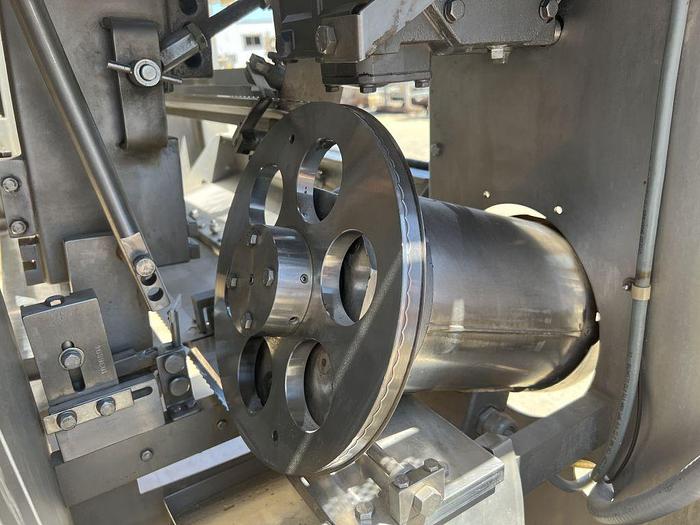
Guide and slice. The feed mechanism advances produce toward the blade zone. Speed and thickness settings are chosen for the product and finished specification, not simply set to their maximum values.
04
Discharge and transfer. Slices leave the cantilevered section for collection or a downstream conveyor. The receiver must protect slice shape and keep pace with actual output.
For cleaning or a product change, stop and isolate the equipment under the site's safety procedure. Clear retained fruit, inspect lane guides and the blade zone, clean accessible food-contact surfaces, check fasteners and guards, and verify correct reassembly before restart. AGICO recommends defining access, washdown method, drainage, cleaning chemicals, and inspection frequency during line planning. These details determine whether a shift change can be completed safely without creating a hidden hygiene or maintenance bottleneck.
Lemon Slicer Machine FAQ
-
Does 120 strokes per minute equal guaranteed production?
No. It is a maximum cutting speed per lane, not a guaranteed finished-product rate. Fruit size, loading consistency, selected thickness, blade condition, stoppages, and downstream handling affect sustained output.
-
Can the machine slice products other than lemons?
The supplied specification lists limes, oranges, tomatoes, onions, and other fresh produce. Suitability should be confirmed with representative samples because shape, skin, firmness, and internal structure change feeding and cutting behavior.
-
What information is needed before quotation?
Send product photographs and samples where practical, diameter distribution, target thickness and tolerance, hourly flow, electrical standard, upstream feeding method, downstream destination, line height, available space, and cleaning expectations.
-
How should the slicer be integrated with a dryer or cooking line?
Confirm the receiving conveyor width, height, speed, transfer gap, product-bed depth, allowable accumulation, and control logic. The machine's cantilevered discharge is helpful, but the actual interface still requires a coordinated layout.
Hot Tags: lemon slicer machine, China lemon slicer machine manufacturers, suppliers, factory, Citrus Segmenting Machine, Continuous Fruit Washing Machine, Cucumber Deseeding Machine, High Capacity Fruit Vegetable Drying Machine, Raisin Sorting Machine, Tomato Seed Separation Machine