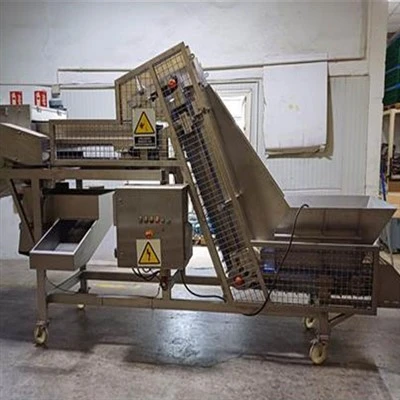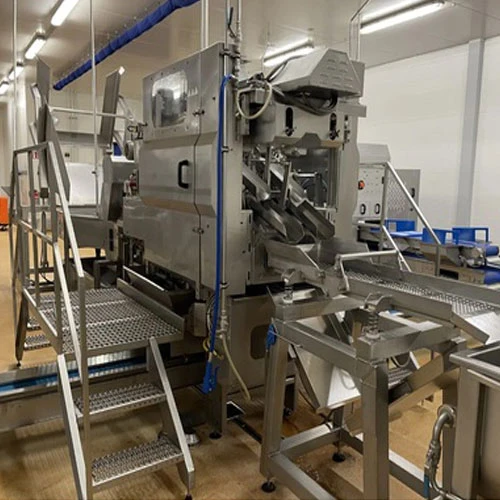
Automatic Apple Cutting Machine for Prepared Fruit Production
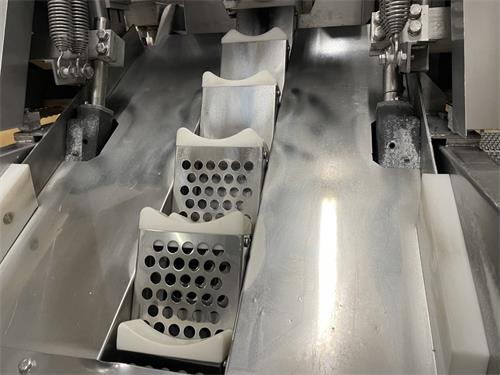
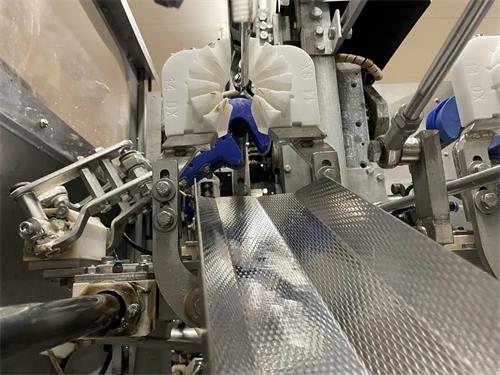
This apple cutting machine is an automatic preparation system for processors that need repeatable peeling and coring before packing or further cutting. Apples are fed and oriented, carried through six rotating stations, peeled under pneumatic control, and cored with a selected tube size. Whole peeled or cored fruit leaves separately from peel and core waste. When wedge or ring output is required, the corresponding optional slicer is added to the configuration rather than assumed to be part of the base machine.
At AGICO, we begin with the finished product instead of the headline speed. A firm dessert apple intended for clean rings creates a different cutting condition from softer fruit going to pie filling or puree. Variety, diameter distribution, maturity, storage temperature, surface condition, core position, and acceptable trim loss all affect the practical setup. Representative fruit and a written output specification give the engineering team a sound basis for selecting the feed system, core tube, peel setting, and optional cutter.
Key Features and Their Operating Value
-
Automatic Feed and Orientation
Feed cups present each apple to the working stations. Stable orientation helps the peel and core tools follow the intended fruit axis, but irregular fruit still requires grading and sample evaluation.
-
Six Rotating Stations
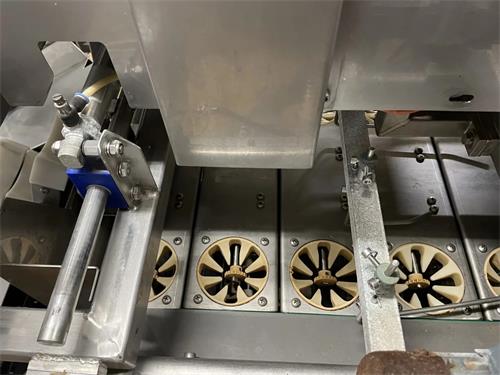
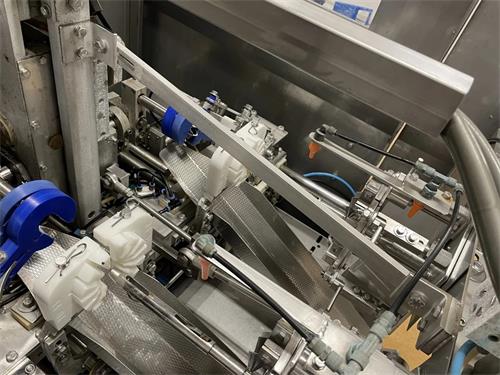
Multiple stations distribute the preparation sequence through a continuous cycle. Sustainable production depends on fruit loading, stops, inspection, optional slicing, and downstream removal-not only the stated maximum rate.
-
Pneumatic Peel Control
The Sensor Peel arrangement controls tool contact around the fruit. Correct air pressure and adjustment matter because excessive removal raises yield loss while insufficient contact can leave skin.
-
Separated Discharge
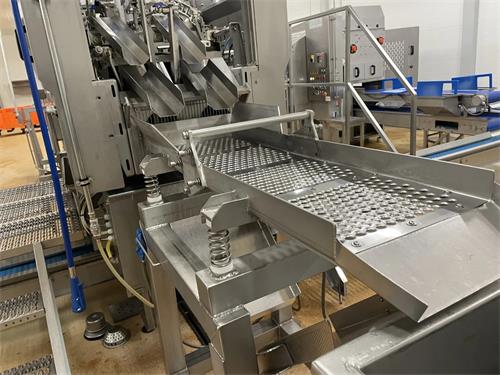
Prepared fruit and waste follow different exits, simplifying collection. Buyers should still match receiving heights, container volumes, conveyor speed, and waste removal frequency to the planned shift.
Reference Technical Data
The values below reproduce the user-supplied reference configuration. Final performance, utilities, construction, weight, core tube, feeding method, and cutting options should be confirmed in the quotation and technical agreement.
| Parameter | Specification |
|---|---|
| Product Type | Automatic apple peeling and coring system |
| Processing Capacity | Up to 130 apples/min |
| Approximate Mass Capacity | Up to 1,000 kg/h; fruit-dependent reference |
| Capacity with Optional Slicer | Up to 115 apples/min |
| Applicable Fruit / Diameter | Common apple varieties / 57–108 mm |
| Peeling Stations | 6 rotating stations |
| Main Drive Power | 2 HP / 1.5 kW |
| Compressed Air | 50 psi / approximately 3.45 bar |
| Water Requirement | 6 US gal/h / approximately 22.7 L/h |
| Machine Weight | Approximately 1,753 kg stainless version; 1,429 kg standard version |
| Core Tube Diameter | 5/8–1 inch / approximately 15.9–25.4 mm |
| Feeding / Peel Control | Automatic orientation / pneumatic Sensor Peel system |
| Construction | Stainless-steel food-processing configuration shown |
| Finished Products | Whole peeled or cored apples; optional wedge or ring slices |
| Optional Systems | Dry feed or hydrofeed; wedge slicer or ring slicer |
Do not select the machine from kilograms per hour alone. The 130-apples-per-minute figure is a maximum piece rate, while mass flow changes with average fruit weight. Adding a slicer also changes the reference rate. Our team will normally ask for a size histogram, average weight, hourly and shift targets, acceptable peel depth, core diameter, finished shape, and expected yield. These inputs make it possible to discuss realistic output and identify whether upstream grading or buffering is needed.
Define the Finished Cut
Specify whole peeled, cored, wedge, or ring output. For cut products, include segment count or ring thickness, tolerance, breakage limit, and the process that follows.
Confirm Utilities and Controls
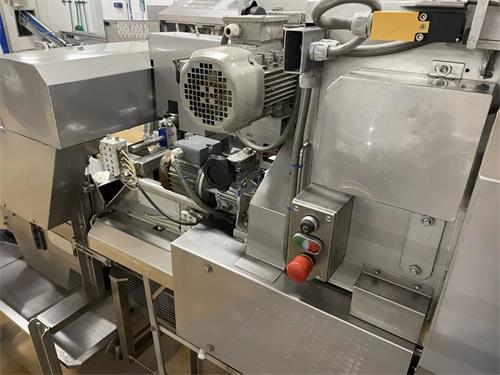
Verify plant air pressure and quality, water supply and drainage, electrical standard, isolation points, and control interface. Utility stability is part of consistent processing.
Applications, Integration, and Service Access
The useful machine is the one that fits both the apple and the surrounding line.
Prepared Fruit Transfer
Keep peeled or cut apples moving without creating a collection bottleneck.
Fresh-cut packers may send cored apples to a ring or wedge slicer, inspection belt, treatment bath, or packing table. Bakeries and ingredient plants may transfer prepared fruit to dicing, cooking, pulping, or filling preparation. In each case, discharge height, transfer gap, belt speed, product drop, accumulation time, and anti-browning treatment should be agreed before the layout is frozen.
Cleaning and Maintenance Planning
Access around guards, drives, tools, and waste routes must be designed into the installation.
During a variety change or end-of-shift clean, isolate electrical, pneumatic, and water supplies under the plant procedure. Remove retained peel, core fragments, and fruit pieces; clean accessible food-contact parts; inspect cups, positioning components, peel tools, core tubes, optional knives, fasteners, and guards; then verify correct reassembly. AGICO recommends confirming cleaning chemicals, drainage, access clearances, inspection frequency, and spare cutting parts during project review.
How the Apple Preparation Process Works
Grade and inspect. Remove unsuitable fruit and separate sizes outside the confirmed 57–108 mm range. Stable firmness and temperature help reduce variation.
Feed and orient. Dry feed or hydrofeed presents apples to the cups. The chosen system must match upstream washing, available water management, and production rhythm.
Peel and core. Rotating stations carry the fruit through controlled peeling and the selected core tube. Settings are adjusted for the actual variety and quality target.
Cut when specified. An optional wedge or ring slicer converts prepared apples into the required shape. Knife choice and finished tolerance belong in the purchase specification.
Separate and transfer. Product moves to the next process while peel and core waste is collected independently. Both routes need enough receiving capacity for continuous work.
Apple Cutting Machine FAQ
-
Does the standard machine make wedges and rings?
The base system is described for automatic feeding, peeling, and coring. Wedge and ring outputs require the corresponding optional slicer. Confirm the required shape, segment count or thickness, and tolerance before quotation.
-
Is 1,000 kg/h guaranteed for every apple?
No. It is an approximate reference derived from fruit mass. Average apple weight, size distribution, condition, operator loading, optional slicing, inspections, stoppages, and downstream handling determine sustainable output.
-
How should the core tube be selected?
Choose it from the actual core diameter and the acceptable balance between complete core removal and edible yield. The listed 15.9–25.4 mm range should be checked with representative varieties and maturity levels.
-
What should be sent to AGICO for configuration review?
Provide fruit varieties, minimum and maximum diameter, average weight, photographs or samples, finished product, hourly and shift targets, utility standards, upstream process, downstream destination, available space, cleaning method, and required optional equipment.
Hot Tags: apple cutting machine, China apple cutting machine manufacturers, suppliers, factory, Grape Sorting Machine, Hot Air Fruit Vegetable Dehydration Machine, Pomegranate Aril Processing Equipment, Pomegranate Juice Concentrate Production Line, Screw Conveyor, Tomato Seed Removal Machine