

Automatic Lemon Cutter Machine for Slices and Half Slices
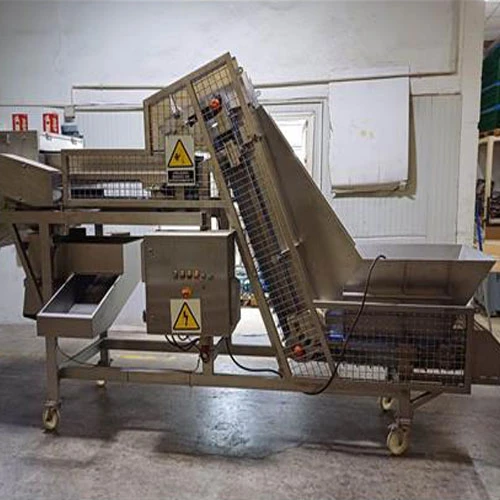
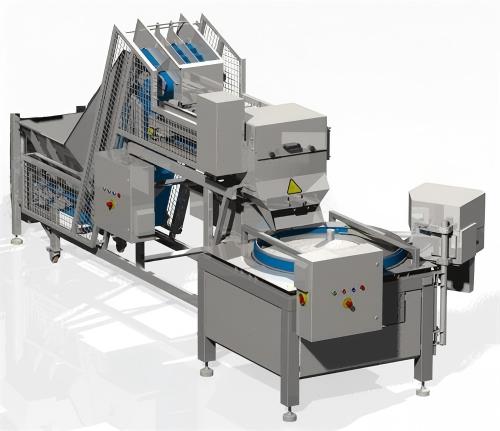
The AGICO lemon cutter machine is configured as an industrial line rather than a single tabletop slicer. It combines an accumulation elevator conveyor, a slicing head with its own feed conveyor, and a bowl feeder connected to a half-slice cutting head. This arrangement gives processors two defined product routes while keeping feeding, orientation, cutting, and discharge organized across separate units.
Incoming lemons should be washed, sorted, and checked before they enter the accumulation hopper. Fruit temperature is specified at 5–20°C. Temperature, firmness, peel condition, and diameter all influence how reliably a lemon feeds and how cleanly it cuts. Very soft fruit can deform under handling, while fruit outside the agreed size range may not orient consistently. A representative sample is therefore more useful than selecting the line from capacity alone.
The stated source mentions a 42 mm applicable lemon size, but it does not define whether that value is a target diameter, a minimum, a maximum, or a tooling reference. AGICO will treat it as a confirmation point. The buyer should provide an actual diameter distribution and desired cut samples before the cutting head and feeding arrangement are finalized.
Three Structures That Shape Production
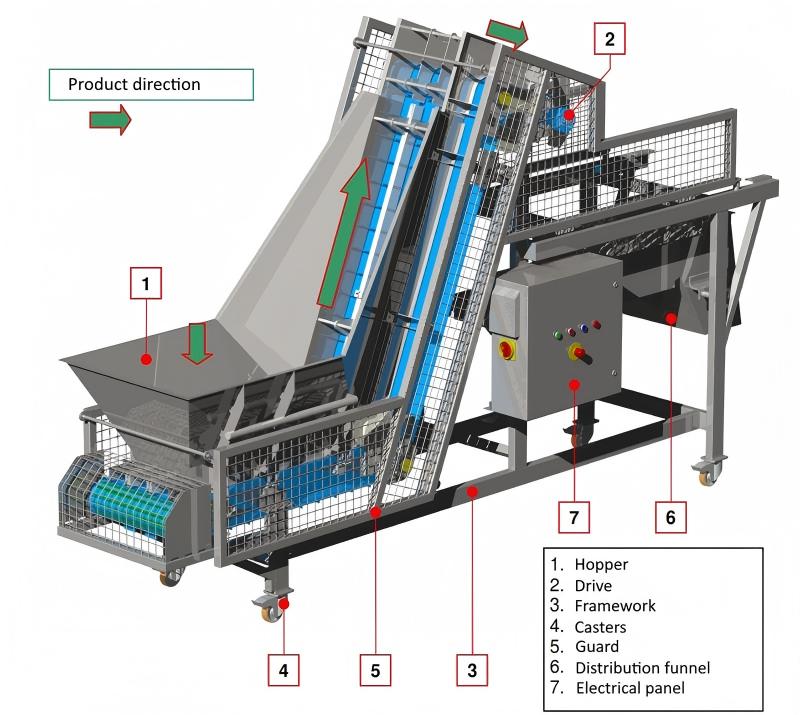
Accumulation and Elevation
The hopper and elevator create a buffer between manual or upstream delivery and the cutting units. This can reduce irregular surges, provided operators do not overload the hopper and the elevator speed is matched to downstream demand. Buyers should compare the available hopper access, receiving height, and cleaning clearance with their room layout.
Dedicated Cutting Routes
A slicing head and a bowl-fed half-slice head perform different tasks. Keeping these routes distinct helps the plant define which finished product is required and how it will be collected. The practical benefit depends on correct fruit orientation, suitable tooling, and a stable input size rather than on blade motion alone.
Floor-Standing Mobile Units
Individual units are mounted on castors, which assists positioning and service access during installation. Castors do not remove the need for a level floor and secure operating position. Each unit should be locked or stabilized as specified before production so that conveyor alignment and guard clearances remain consistent.
How the Two Cutting Routes Work
The intended finished product should determine the route. We recommend confirming whole-fruit dimensions, target geometry, and acceptable edge quality with representative lemons before tooling is approved. Record the accepted sample so operators and purchasing teams use the same reference during later checks.
Bowl-Fed Half-Slice Route
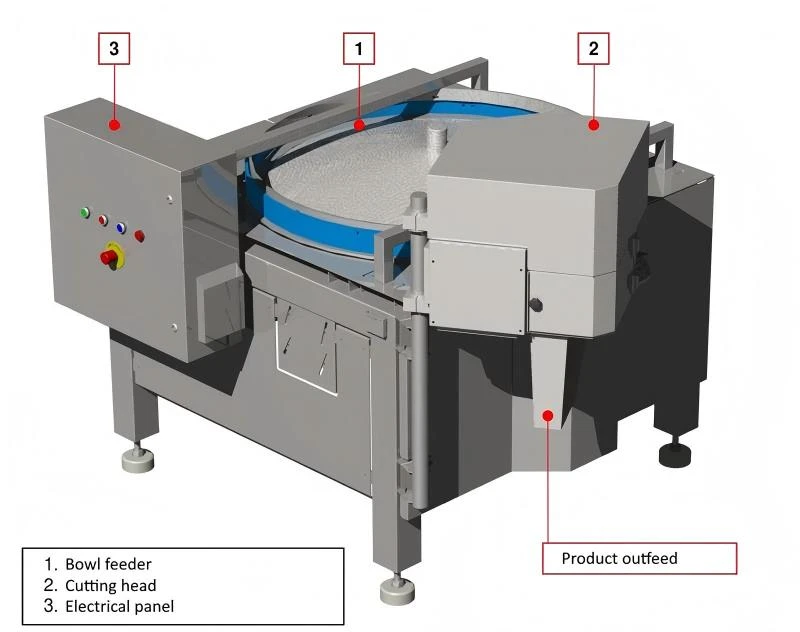
The bowl feeder organizes product before it reaches the half-slice cutting head. Orientation and spacing are important because an irregular presentation can change where the fruit meets the blade. Buyers should confirm how whole or pre-cut lemons enter this stage, where off-size fruit is rejected, and how half slices leave the unit.
Primary Slice Cutting Route
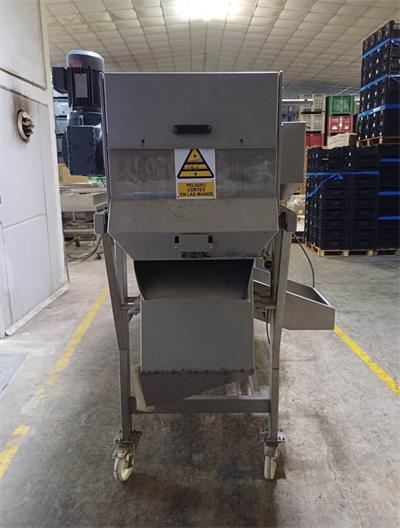
The slicing head receives lemons from its feed conveyor and produces the specified slice format. Seven millimetres is the reference standard thickness, not a universal result for every fruit. Tooling, fruit firmness, feed stability, and the measurement method should be agreed when the buyer needs a controlled commercial specification.
Technical Data
| Parameter | Specification |
|---|---|
| Manufacturer / Model | AGICO / AGICO-S03 |
| Machine Type | Automatic lemon slicing and half-slice cutting line |
| Processing Capacity | Up to 750 kg/h, depending on the product |
| Finished Product | Lemon slices and half slices |
| Product Temperature | 5–20°C |
| Standard Slice Thickness | 7 mm |
| Applicable Lemon Size | 42 mm stated by the source; exact size definition to be confirmed |
| Main Material | Stainless steel |
| Line Configuration | Accumulation elevator, slicing head with feed conveyor, and bowl feeder with half-slice head |
| Installation / Mobility | Floor-standing industrial line; castors fitted to individual units |
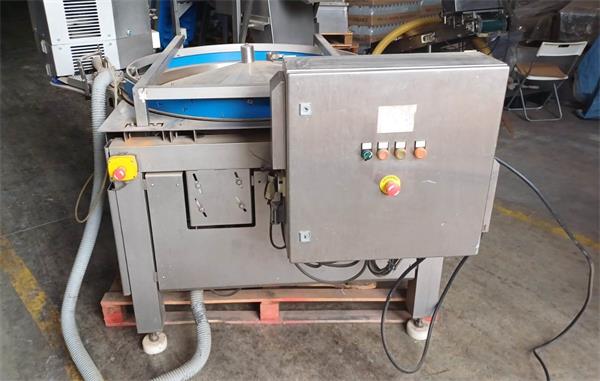
Integration and Control Access
The installation plan should leave access to electrical panels, emergency controls, guards, and discharge points. The line may serve fresh-cut preparation, beverage garnish, drying, confectionery, or further ingredient processing, but downstream handling must suit the required product condition and hygiene plan.
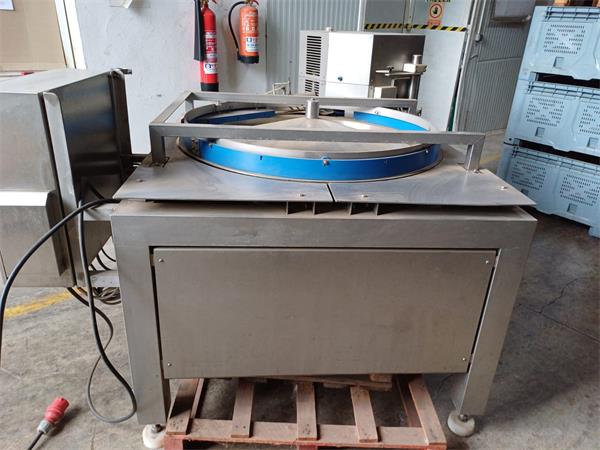
Collection After Secondary Cutting
Half slices should discharge into a container or conveyor that protects their geometry without obstructing the operator. Receiver height, changeover frequency, drainage, and the route to weighing, packing, chilling, drying, or another process should be defined before the units are positioned.
Operating and Cleaning Sequence
Control fruit temperature and remove damaged or unsuitable lemons.
Feed the hopper evenly and monitor transfer toward the selected route.
Observe cut geometry and keep receivers clear of the discharge area.
Stop, isolate power, and follow the manual before accessing blades or conveyors.
During a product change or shift shutdown, remove retained fruit and juice before residue dries. Inspect belt surfaces, guides, bowl areas, cutting heads, guards, drains, fasteners, and castor locks. Blades require controlled handling and an approved access procedure. Before restart, verify that every guard is secure, each castor is locked, and the collection route is ready. Cleaning chemicals, water pressure, disassembly steps, and restart checks must follow the supplied manual and the facility's sanitation program.
Frequently Asked Questions
Does 42 mm describe the only acceptable lemon size?
The source gives 42 mm without defining its measurement role. Do not treat it as a complete operating range. Provide minimum, typical, and maximum fruit diameters so the feed and cutting arrangement can be confirmed.
Is the 7 mm slice thickness adjustable?
Seven millimetres is the stated standard value. Any alternative thickness, tooling change, and achievable tolerance must be agreed for the buyer's fruit and finished-product requirement.
Will the line always process 750 kg/h?
No. The capacity is stated as "up to" and depends on the product. Fruit size, firmness, temperature, feed continuity, selected route, cut specification, and downstream collection can affect actual output.
What should I send to AGICO for configuration review?
Send fruit-size data, temperature range, photographs, target slices or half slices, hourly and daily demand, available floor layout, power details, cleaning requirements, and the intended downstream process.
Hot Tags: lemon cutter machine, China lemon cutter machine manufacturers, suppliers, factory, Automatic Fruit Sorting Machine, Fruit Vegetable Elevator, Grape Sorting Machine, Pineapple Chopping Machine, Pomegranate Aril Processing Equipment, Screw Conveyor


