

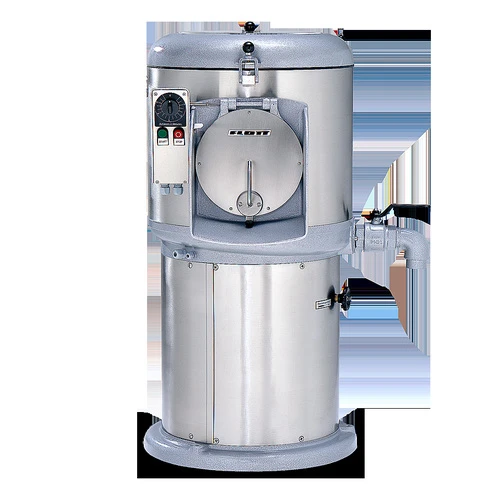


Industrial Beetroot Peeling Machine Overview
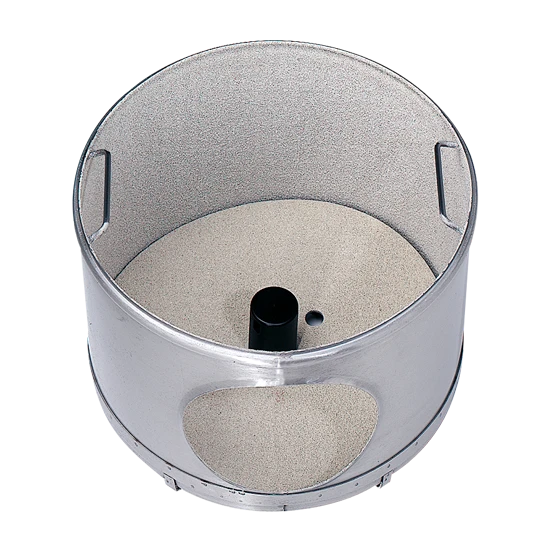
The AGICO-25 beetroot peeling machine combines batch washing with carborundum abrasive peeling. Operators load prepared beetroot manually, set an appropriate automatic cycle with the timer, and release the processed batch through the side discharge door. The 25–35 kg batch range helps buyers plan individual loads, while the DN 25 water connection supports washing and removal of loosened surface material during operation.
The listed maximum raw-material throughput is up to 800 kg/h. This is not a fixed output for every beetroot batch. Practical throughput and peeling result depend on root size, surface condition, soil load, batch weight, cycle time, water supply, and the amount of inspection or trimming required afterward. At AGICO, we recommend evaluating these variables together instead of selecting the shortest timer setting only to increase the number of cycles. The stainless-steel housing supports an industrial installation, but site utilities, drainage, safe access, and cleaning procedures must also be confirmed.
Key Features for Batch Beetroot Peeling
Each feature should be reviewed in relation to the actual beetroot, batch plan, utilities, and downstream handling method.
Carborundum Abrasive Peeling
The abrasive chamber creates mechanical contact as the batch moves inside the machine. This loosens the outer beetroot surface while water carries away residue. Root size and condition influence contact, so sorting and cycle trials remain important purchasing considerations.
Adjustable Automatic Cycle
The timer controls the peeling cycle after manual loading. Operators can adapt time to raw-material condition and the required finish. A longer cycle does not automatically mean a better commercial result because excessive treatment may increase unnecessary surface removal.
DN 25 Water Connection
The confirmed DN 25 connection supplies water for the batch washing and peeling process. Buyers should verify pressure, flow, drainage, and local wastewater handling. Utility suitability must be checked before the machine is positioned and connected.
Side Discharge and Stainless-Steel Housing
The side door provides a defined batch release point, and the stainless-steel housing suits routine industrial cleaning around the machine. The receiving container or conveyor must be positioned for the discharge path without obstructing safe operator access.
AGICO Technical Data
| Item | Specification |
| Model | AGICO-25 |
| Batch Capacity | 25–35 kg |
| Maximum Raw-Material Throughput | Up to 800 kg/h |
| Peeling Method | Carborundum abrasive peeling |
| Rated Power | 1.5 kW |
| Standard Voltage | 400 V, 50 Hz, 3 Phase |
| Water Connection | DN 25 |
| Machine Dimensions | 750 × 735 × 1,195 mm |
| Approximate Net Weight | 133 kg |
| Timer Control | Adjustable automatic peeling cycle |
| Feeding Method | Manual batch loading |
| Discharge Method | Side discharge door |
| Construction Material | Stainless-steel housing |
| Operation Mode | Batch washing and peeling |
For project evaluation, compare the batch size with the required hourly schedule rather than multiplying loads without allowing for loading, inspection, discharge, and cleaning time. Confirm the 400 V, 50 Hz, three-phase supply, DN 25 water service, drainage route, floor loading, and working clearance. AGICO can review the utility and receiving arrangement when the beetroot size range and target finish are provided.
Raw-Material Preparation and Batch Handling
Consistent batches begin with controlled preparation and end with a clear route for inspection and further processing.
Prepare and Load Comparable Roots
Remove stones, hard debris, damaged material, and loose soil before loading.
Where practical, group beetroot into reasonably similar size bands. Large differences within one batch can produce uneven contact because smaller roots and larger roots move differently against the abrasive surface. Keep each load within the confirmed 25–35 kg range and avoid forcing material into the chamber.
After an initial cycle, inspect the result and adjust time according to the actual surface condition. Our team will normally ask about incoming size, soil load, and expected finish before discussing a production schedule.
Receive, Inspect, and Clear Each Batch
The side discharge area must remain clear before the door is opened.
Use a suitable receiving container or downstream section for the batch. Peeled beetroot may then move to inspection, trimming, cutting, cooking, or packing according to the plant process; these stages are not implied as included with the machine.
Coordinate loading with the time needed to empty and inspect the previous batch. This prevents a nominal hourly target from overlooking real handling time and keeps operators from accumulating product around the discharge area.
How the Beetroot Peeling Cycle Works
1. Prepare the raw material. Inspect beetroot, remove stones and unsuitable pieces, and group roots by size when practical. Confirm that the receiving area, water supply, drainage, and guards are ready before loading.
2. Load and set the cycle. Add a controlled 25–35 kg batch manually and secure the machine as required by the operating procedure. Set an initial timer value suitable for the root condition and required finish.
3. Wash and peel. During the automatic cycle, beetroot contacts the carborundum abrasive surface while water supports washing and residue removal. Observe the process only through permitted operating points and do not access moving parts.
4. Stop, discharge, and inspect. After the cycle ends, follow the approved procedure before opening the side discharge door. Transfer the batch to its receiving stage, inspect the finish, and record any timer adjustment before the next load.
Cleaning and routine checks: isolate the machine before access. Remove peel residue, clean accessible surfaces according to the plant procedure, and inspect the abrasive chamber, timer, water connection, door closure, and surrounding drainage. Do not restart until guards and components are correctly fitted. The machine manual and local lockout procedure remain the primary safety references.
Beetroot Peeling Machine FAQ
-
How do batch capacity and hourly throughput differ?
The machine accepts a confirmed 25–35 kg batch, while up to 800 kg/h is the stated maximum raw-material throughput. Actual hourly output also includes loading, cycle time, discharge, inspection, and any cleaning between batches.
-
How should the timer be selected?
Begin with a conservative setting based on beetroot size, surface condition, and required finish. Inspect the first batch and adjust gradually. Do not assume the longest cycle provides the best commercial result.
-
What utilities must be confirmed?
Verify a 400 V, 50 Hz, three-phase electrical supply and a suitable DN 25 water connection. Water pressure, flow, drainage, wastewater handling, isolation points, and site electrical protection require project-specific confirmation.
-
Can mixed beetroot sizes be processed together?
The machine can receive prepared beetroot within the batch limit, but large size differences may change how roots contact the abrasive chamber. Sorting into reasonably similar groups can make cycle evaluation more repeatable.
-
What should be checked during cleaning?
After safe isolation, remove retained peel, clean accessible surfaces, inspect abrasive condition, check the water connection and discharge door, and verify the timer and guards. Follow the supplied manual and the plant's hygiene and lockout procedures.
Hot Tags: beetroot peeling machine, China beetroot peeling machine manufacturers, suppliers, factory


