
Carrot Shredder for Commercial Vegetable Preparation
A commercial carrot shredder helps food processors prepare carrots and other firm vegetables in repeatable slices, strips, or diced forms when the corresponding cutting components are installed. It replaces repetitive knife work with a defined feeding and cutting route, supporting an organized preparation flow for central kitchens, fresh-cut facilities, ingredient suppliers, and vegetable processing plants. A clearer material route can also make it easier to assign inspection, collection, and cleaning responsibilities during a production shift.
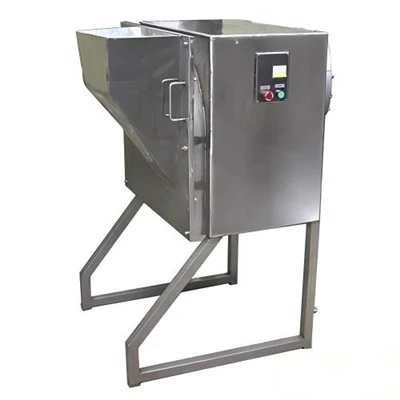
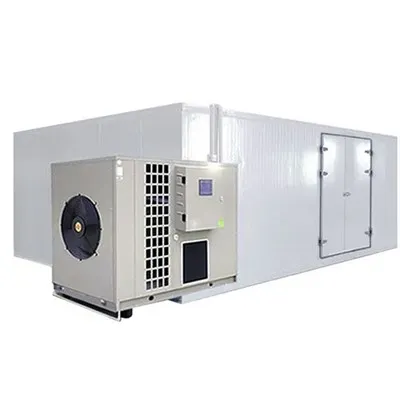
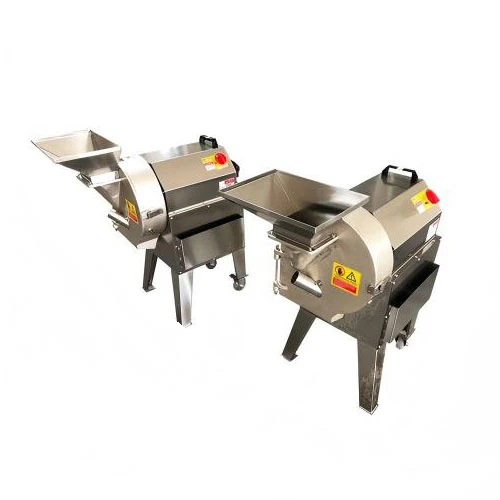
The appropriate machine configuration depends on raw-material size, firmness, preparation method, required output, and the operation connected before and after cutting. The equipment and discs shown below illustrate configuration possibilities. Final cutting functions, disc selection, construction, and operating data must be confirmed for the ordered model. A representative material test is recommended when the required cut is critical, because it gives both parties a practical basis for reviewing appearance, feeding, collection, and acceptable variation before the configuration is fixed.

Key Features for Flexible Cutting
Interchangeable Cutting Options
Corresponding discs can support dicing, slicing, julienne, or shredding functions. Buyers should select the cutting set according to the desired product rather than assume every disc is included.
Defined Feed and Discharge
A planned loading position and collection area help operators maintain a clear material route. Uniform preparation and steady feeding remain important for consistent results.
Commercial Workflow Fit
The machine can be evaluated for stand-alone preparation or connection with washing, peeling, inspection, conveying, weighing, or packing stages in a broader vegetable line.
Choose the Cutting Disc Around Your Product
Disc selection affects output shape, thickness, feeding behavior, and the downstream process. Share product samples or clear photographs and test representative carrots before the final cutting arrangement is confirmed.

Applications and Reference Technical Data
Carrot shredding equipment may serve salad and fresh-cut preparation, soup and ready-meal ingredients, pickled vegetable production, frozen food processing, catering kitchens, and ingredient pre-processing. With suitable cutting components, related vegetables such as potatoes, onions, radishes, taro, and cucumbers may also be evaluated. Selected fruits require testing because texture, moisture, and firmness can affect the result. In a central kitchen, the machine can help organize preparation before mixing, cooking, or portioning. In a fresh-cut plant, it may sit after washing and peeling and before inspection, weighing, cooling, or packing. Buyers should review container height, transfer direction, floor space, drainage, cleaning access, and staffing instead of evaluating the cutter as an isolated unit. A simple line drawing can clarify how raw vegetables arrive, where operators stand, and how finished material leaves the cutting area.
The following values are reference configuration data supplied for this product brief. Some figures describe alternative or similar models and should not be read as one fixed specification. Confirm the final model, cutting set, utilities, construction, dimensions, weight, and output in the quotation before purchase.
| Technical Parameter | Reference Description |
| Processing Capacity | 500–1,000 kg/h; some models are rated at 600–1,000 kg/h |
| Motor Power | 0.75 kW; some similar models use a 1.5 kW motor |
| Voltage | 220 V or 380 V, 50/60 Hz |
| Cutting Size | 3–20 mm or 5–20 mm |
| Machine Dimensions | Approximately 710 × 660 × 1,085 mm |
| Machine Weight | Approximately 70–100 kg |
| Food-Contact Material | Commonly SUS304 stainless steel; some models offer 201 or 304 stainless-steel bodies |
| Cutting Functions | Dicing and slicing; julienne or shredding is available with corresponding cutting discs |
| Applicable Materials | Carrots, potatoes, onions, radishes, taro, cucumbers, and selected fruits |
Typical Working Process
Cleaning and Maintenance Planning
Isolate the machine from power before approved cleaning, disc changes, inspection, or maintenance. Only trained personnel should handle sharp cutting components. Remove product residue using methods compatible with the confirmed machine construction, inspect the disc and fasteners, and allow parts to dry before reassembly. The sanitation routine should match the plant's hygiene plan and the manufacturer's instructions. Recording disc condition, unusual noise, feeding changes, and cleaning findings helps maintenance staff identify wear before it disrupts production. Before each shift, check that guards and access covers are correctly positioned and that the chosen collection container is ready. Establish a clear response for blocked feed, unexpected vibration, damaged discs, or irregular output. Keeping replacement components identified and stored safely can shorten planned changeovers without encouraging unsafe handling.
Frequently Asked Questions
Is the listed capacity guaranteed for every configuration?
No. The listed ranges are reference values. Actual throughput depends on the selected model, cutting disc, raw-material condition, feed preparation, operator routine, and downstream handling.
How do I choose between 220 V and 380 V?
Confirm the available industrial power supply at the installation site and provide the required frequency. The final electrical configuration must be agreed before production.
Can one disc produce every cutting size?
Different output shapes and sizes generally require corresponding cutting components. Confirm the desired result and included disc set in the quotation.
Can the machine process vegetables other than carrots?
Potatoes, onions, radishes, taro, cucumbers, and other suitable produce may be evaluated. Testing is recommended when texture, shape, or moisture differs from the normal material.
What should be provided before ordering?
Send raw-material photos, target cut samples, required workflow, utility information, available space, and expected upstream and downstream equipment. Include the normal size range of the carrots, the number of product changes per shift, and the intended collection or transfer method. These details support model and disc confirmation and help identify whether additional feeding, conveying, or worktable arrangements should be discussed.
Hot Tags: carrot shredder, China carrot shredder manufacturers, suppliers, factory