Potato Shredder for Continuous Slicing and Julienne Cutting
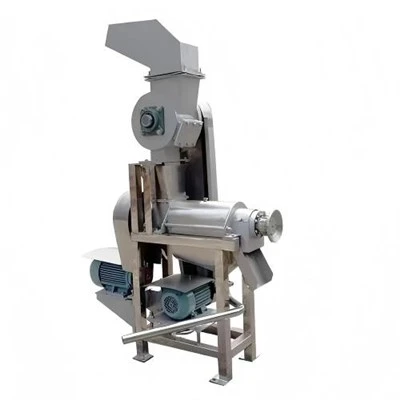
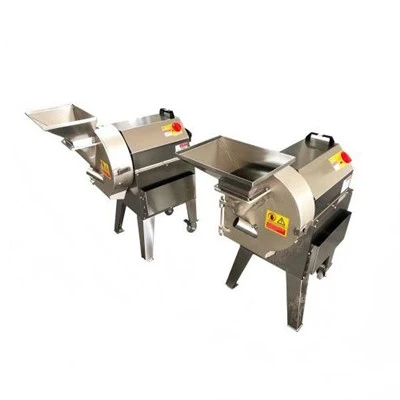
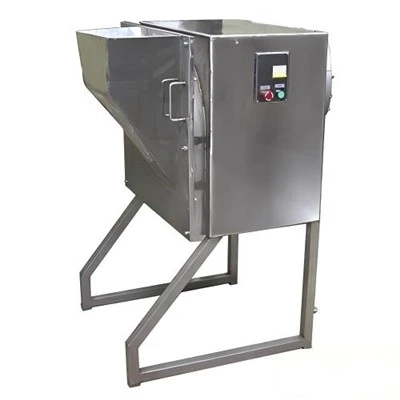
The TJ-400S potato shredder is a centrifugal cutting machine designed for continuous preparation of potatoes and other suitably firm vegetables. Product enters the feed area, moves toward the rotating cutting system, and leaves as slices or strips according to the installed cutting head. This arrangement can replace repeated hand cutting in central kitchens, frozen-food plants, snack preparation areas and vegetable-processing lines where consistent presentation and an organized flow matter.
AGICO treats the cutting result as the starting point for configuration. Potato variety, tuber size, firmness, peeling method, surface moisture and required strip dimensions all influence the practical setup. A buyer preparing French-fry-style strips has different priorities from a plant producing thin shreds for dehydrated products or uniform slices for further cooking. Our team will normally ask for the target cut, raw-material range, hourly feed plan and downstream collection method before confirming a machine.
The Technical Data of the Potato Shredder
| Technical Parameter | Specification |
| Model / Machine Type | TJ-400S / industrial centrifugal slicer and shredder |
| Processing Capacity | 800–1,000 kg/h |
| Motor Power | 1.5 kW* |
| Standard Voltage | 380 V / 50 Hz / 3 Phase |
| Optional Power Supply | 220 V / 60 Hz, customizable |
| Machine / Packing Dimensions | 1,095 × 805 × 1,525 mm / 1,200 × 905 × 1,725 mm |
| Net Weight / Material | Approximately 150 kg* / SUS304 stainless steel |
| Cutting Stations / Maximum Product Size | 12 / 90 mm in any dimension |
| Operation / Cutting-Head Change | Continuous / interchangeable cutting heads |
| Mobility | Lockable caster wheels |
| Certification | CE stated by the supplier; documentary scope must be confirmed for the final machine |
*Motor power and net weight are supplied reference values and should be checked against the final configuration.
Key Features in Practical Production
Each feature should be evaluated by the effect it has on feeding, cut control, sanitation and line integration.
Centrifugal Cutting
The rotating system moves prepared potatoes through successive cutting positions. This supports a continuous discharge, provided the feed is clean, product size remains within the stated limit and the outlet is not obstructed.
Interchangeable Heads
Changing the cutting head allows the same base machine to support different slice or shred requirements. The actual head set must be specified from sample dimensions and recipe needs, not inferred from machine capacity alone.
Stainless Construction
SUS304 food-contact construction supports routine washing and corrosion control. Sanitary performance still depends on access, detergent choice, drainage, drying and verification after every product change or shift.
Lockable Mobility
Caster wheels help reposition the machine for cleaning or line changes. Operators should lock the frame on a level floor and route power safely before loading product or starting the cutting head.
How to Select the Right Cutting Configuration
A reliable selection begins with the potato and the finished product. At AGICO, we recommend sending the minimum and maximum tuber dimensions, whether potatoes are peeled, the acceptable proportion of broken strips, and a clear target size. A nominal cut specification is useful, but a representative sample gives the engineering discussion a more practical reference.
Confirm feed size: product must remain within 90 mm in every dimension, or be reduced before loading.
Define the cut: identify slice thickness, strip width, length expectations and acceptable edge quality.
Match the duty: compare continuous feed time, cleaning intervals and actual upstream supply with the reference capacity.
Check utilities: verify phase, frequency, voltage, plug or isolator arrangement and local electrical practice before shipment.
Applications and Line Interfaces
The machine must connect cleanly with preparation before cutting and collection immediately afterward.
Washed and Peeled Potato Preparation
In a central kitchen or prepared-food plant, potatoes normally arrive after washing, inspection and peeling. Remove stones, soil, loose peel and damaged material before feeding. Excess surface water should be controlled so operators can handle product safely and the discharge area does not become unnecessarily wet.
Continuous Collection and Further Processing
Cut potatoes may move to rinsing, blanching, frying, freezing, seasoning or packing. A receiving conveyor or suitably sized container should clear output without repeated stoppages. For high-throughput planning, the slowest upstream or downstream stage determines the sustainable line rate, not the shredder's headline capacity.
Other Firm Vegetables
Carrots, radishes or similar vegetables may be considered when their dimensions and texture suit the selected cutting head. Compatibility should be confirmed by sample because fibrous structure, hardness and desired shape can change both cut appearance and loading behavior.
Batch and Recipe Change
When moving from slices to shreds, production staff need time for isolation, head removal, cleaning, inspection and correct reinstallation. Planning this changeover prevents a nominally flexible machine from creating an unplanned gap in the daily schedule.
Operating, Cleaning and Changeover Flow
01
INSPECT AND PREPARE
Check the cutting head, guards, fasteners, outlet and wheel locks. Wash, peel and size potatoes according to the agreed feed condition. Remove foreign objects before they can reach the cutting system.
02
FEED AND OBSERVE
Start the machine according to the operating instructions and feed at a steady rhythm. Observe cut shape, motor sound and discharge movement; stop for investigation if product begins to crush, bridge or leave irregularly.
03
TRANSFER WITHOUT DELAY
Move cut potatoes to the next process promptly to manage surface starch and discoloration according to the recipe. Keep containers and conveyors aligned with the outlet and prevent accumulation around the machine.
04
ISOLATE, CLEAN AND VERIFY
At batch end, isolate electrical energy before accessing the cutting area. Remove the approved head, wash food-contact parts, inspect edges and seals, dry the machine and verify correct reassembly. AGICO can discuss the intended sanitation routine during configuration review, while the site must establish its own validated procedure.
Potato Shredder FAQ
-
Does 800–1,000 kg/h apply to every potato and cut?
No. It is the stated capacity range for the referenced model. Actual output depends on feed size, preparation, cutting head, operator rhythm and downstream removal. Confirm the duty using representative raw material.
-
Can the machine make both slices and shreds?
The interchangeable-head design supports different outputs when the correct head is supplied. Specify the finished dimensions and sample expectation before ordering; the required heads should be listed clearly in the quotation.
-
What happens if potatoes exceed 90 mm?
Oversized material should be sorted or reduced before feeding. Forcing unsuitable pieces can disturb flow and cut consistency. The buyer should compare the natural tuber range with the stated maximum during line planning.
-
How should CE information be checked?
CE is stated by the supplier in the provided data. Before purchase, request the applicable documentation and confirm that the model, scope and final electrical configuration correspond to the machine being quoted.
Hot Tags: potato shredder, China potato shredder manufacturers, suppliers, factory