

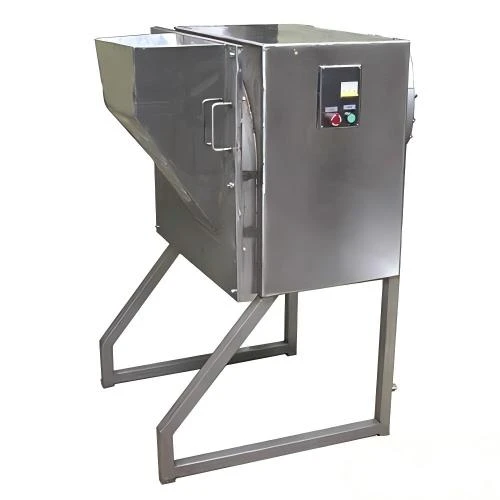

Cabbage Shredder for Organized Commercial Preparation
A cabbage shredder gives commercial kitchens and vegetable-processing teams a structured way to turn prepared cabbage into strips for salads, fillings, pickled products, cooked dishes, and further processing. Compared with repeated hand cutting, a dedicated machine can support a steadier preparation routine and more repeatable presentation between batches. The final result still depends on cabbage variety, head density, moisture, temperature, core removal, feed preparation, and the installed cutting arrangement.
The supplied photographs show several machine constructions. They are useful examples for discussing feed style, frame design, discharge direction, access, and mobility, but they do not define one fixed configuration. The machine offered for an order should be confirmed against the buyer's raw material, target shred, cleaning plan, available floor space, utilities, and surrounding equipment before quotation and purchase.

Key Features for Daily Cabbage Shredding
Each feature supports a practical stage of preparation, cutting, collection, or routine care. Exact construction is confirmed for the selected machine.
Controlled Feeding
A defined inlet helps operators present prepared cabbage in an orderly way. Consistent portion size and a steady feed rhythm reduce crowding at the cutting area and make the process easier to monitor.
Repeatable Shred Presentation
The cutting arrangement is selected around the required strip style. When cabbage preparation and condition remain reasonably consistent, the machine supports a more uniform appearance for mixing, cooking, portioning, or packing.
Accessible Product Areas
Product-contact areas should be inspected after each run and cleaned according to the approved operating procedure. Access method, removable parts, guarding, and safe isolation steps depend on the confirmed configuration.
How to Select a Suitable Cabbage Shredder
Selection begins with the product and workflow, not with a generic machine claim. Share representative cabbage samples and the required result whenever possible. If production includes more than one cabbage type or finished style, describe each case separately. The supplier can then discuss whether one cutting arrangement, interchangeable components, or a different workflow is more appropriate.
For daily operation, consistency begins with a clear preparation standard. When operators sort similar heads, remove unwanted material, follow the same core-removal method, and feed manageable portions, they create better conditions for a stable result. Collection also matters: containers should be positioned to avoid product buildup near the outlet and to move shredded cabbage promptly to the next stage. These practical choices can be reviewed during configuration discussions.
Describe cabbage type, typical head size, density, moisture, storage temperature, and seasonal variation. Soft, wet, or loosely formed material may behave differently from dense, well-chilled heads.
Define the desired strip appearance and acceptable variation. A sample of the finished product is often more useful than a general description because width alone does not describe texture or breakage.
Confirm whether heads will be washed, drained, cored, halved, quartered, or otherwise prepared before feeding. Also identify how shredded cabbage will be collected or transferred to the next stage.
Review working height, floor space, cleaning access, drainage, electrical supply, operator route, upstream preparation, and downstream containers. These details influence the practical frame and discharge arrangement.
Commercial Applications
A cabbage shredder can support different production settings when its feed, cutting, discharge, and cleaning arrangements match the actual operation.
Commercial Kitchens and Catering
Restaurants, canteens, catering kitchens, and central kitchens may use shredded cabbage for salads, slaws, garnishes, fillings, stir-fries, soups, and prepared meal components. A planned workflow helps staff move from washing and trimming to shredding and collection with fewer manual cutting steps. Batch size, menu changes, sanitation schedules, and available counter or floor space should guide the configuration.
Vegetable Processing and Packing
Fresh-cut operations and vegetable preparation centers may require cabbage strips for mixing, fermentation, cooking, or packing. In these settings, the shredder must fit the broader line: raw material arrives, is inspected and prepared, passes through cutting, and moves to weighing, mixing, or storage. Buyers should confirm transfer height, container size, cleaning windows, and sample results before choosing the final arrangement.
Working Process and Routine Care

Step 1
Inspect and Prepare
Remove spoiled leaves, soil, packaging material, and foreign objects. Wash and drain the cabbage as required, then remove the core or divide the head according to the confirmed inlet and operating procedure.
Step 2
Set Up Safely
Check that the correct cutting components are installed, guards and covers are secured, the discharge area is clear, and the collection container is positioned. Follow the supplied operating instructions before starting.
Step 3
Feed and Monitor
Introduce prepared cabbage at a controlled pace without forcing or overcrowding the inlet. Observe the discharged strips for presentation, crushing, moisture release, and consistency, and stop if abnormal sound or blockage occurs.
Step 4
Stop, Clean, and Inspect
After production, stop and isolate the machine according to the approved procedure. Remove retained cabbage carefully, clean accessible product-contact areas, allow parts to dry, and inspect cutting components and fasteners before the next run. Never reach into the cutting area while movement is possible.
Frequently Asked Questions
-
Can one machine produce every cabbage shred style?
Not necessarily. The result depends on the installed cutting arrangement and on the cabbage itself. Send a target sample or clear product photograph so the suitable option can be discussed and tested.
-
Does cabbage need preparation before feeding?
Usually yes. Washing, draining, trimming, core removal, and dividing large heads may be required. The exact preparation method should match the inlet and the approved operating instructions for the chosen configuration.
-
How can buyers evaluate the expected result?
Representative raw material and a desired finished sample provide the clearest basis. A sample test can show strip appearance, breakage, moisture release, feeding behavior, and whether preparation changes are needed.
-
What information is needed for a quotation?
Provide cabbage type and condition, typical dimensions, required shred, preparation method, batch workflow, available utilities, site space, collection method, destination, and any integration requirements. Final specifications are confirmed before quotation and purchase.
-
What should be checked for cleaning?
Review safe isolation, access to product-contact areas, removable components, approved cleaning agents, drying, drainage, and inspection frequency. Cleaning steps must follow the documentation supplied with the confirmed machine.
Hot Tags: cabbage shredder, China cabbage shredder manufacturers, suppliers, factory


