
Product Description
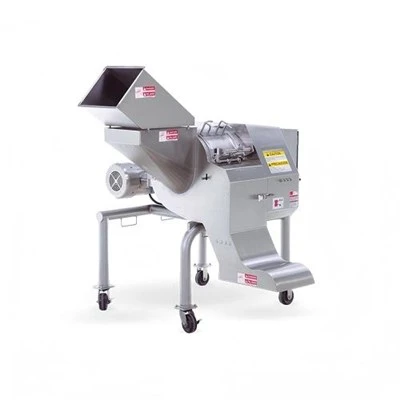
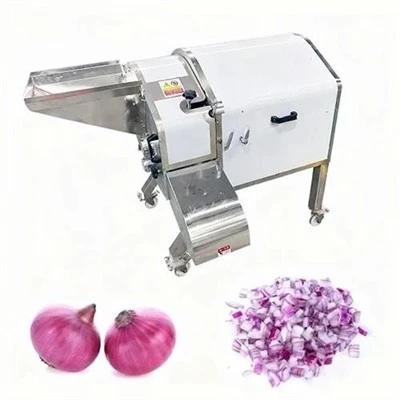
The AGICO-220 Potato Dicer Machine is an industrial cutting system for producing potato cubes, strips, and slices. It accepts large prepared potatoes, uses interchangeable cutting tools, and provides stepless thickness adjustment from 2.5 to 25 mm. Seven selectable cutting-speed levels help the operator match the setup to the raw material, required cut, and production rhythm.
Published capacity reaches 8,000 kg/h for 10 mm potato cubes and 4,000 kg/h for 5 mm slices. These values describe specific operating conditions, not a promise for every potato or cut. Variety, solids content, temperature, surface moisture, product size, feeding continuity, knife condition, and allowable fines all influence practical output. At AGICO, we recommend defining the target geometry and acceptance tolerance before selecting the cutting set.
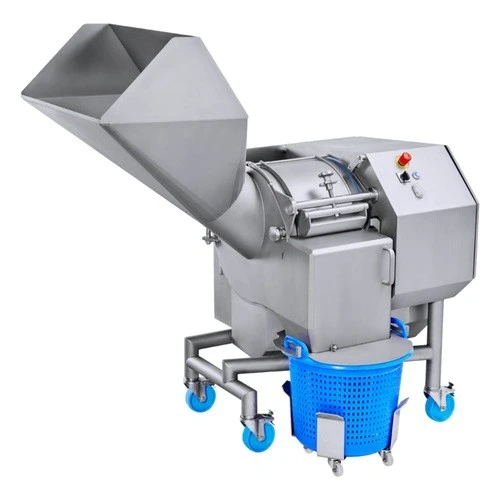
The mobile stainless-steel design can work as a stand-alone machine or connect to washing, peeling, inspection, blanching, frying, freezing, or packing equipment. A suitable installation must also account for the 1,340 mm infeed, discharge arrangement, operator access, tool-change space, and cleaning route.
Key Features for Potato Cutting
-
Large-Product Infeed
The 220 mm maximum product diameter accommodates large potatoes; the recommended large-product range is approximately 90–220 mm. Oversized, irregular, damaged, or foreign material should be removed before loading so the feed path remains controlled.
-
Adjustable Cut and Speed
Thickness is steplessly adjustable across the stated 2.5–25 mm range, while tools are available in 2.5 mm increments. Seven speed settings allow process tuning, but the finished result must still be confirmed with the intended potato and tool.
-
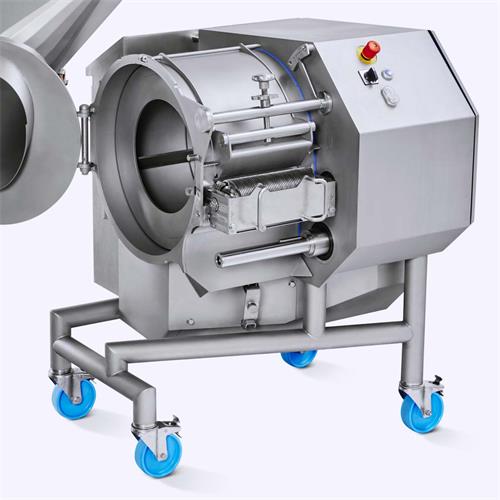
Accessible Cutting Chamber
The opening chamber provides access for tool replacement, inspection, and sanitation. This structure reduces unnecessary handling during changeover, provided the machine is stopped, electrically isolated, and serviced by trained personnel.
-
Mobile Industrial Frame
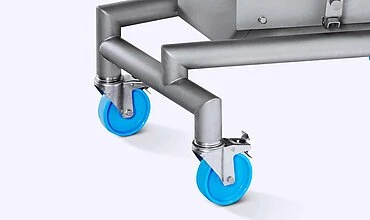
Castors support positioning around the production area. The machine must be secured on a level floor during operation, with enough clearance for the feed zone, discharge container or belt, guards, electrical connection, and cleaning access.
Technical Data and Cutting-Tool Selection
| Parameter | Specification |
|---|---|
| Model / Machine Type | AGICO-220 / industrial cube, strip and slice cutter |
| Capacity | Up to 8,000 kg/h for 10 mm cubes; up to 4,000 kg/h for 5 mm slices |
| Product / Cutting Range | Maximum diameter 220 mm; thickness 2.5–25 mm; tools in 2.5 mm increments |
| Speed / Power | 7 selectable levels; 4 kW; 400 V N/PE; 50 Hz, 60 Hz optional |
| Dimensions / Weight | 1,057 × 1,525 × 1,582 mm (L × W × H); approximately 406 kg |
| Infeed / Outfeed | 1,340 mm infeed; 405 mm standard outfeed; 270 mm with optional belt |
| Loading / Installation | Maximum box width about 600 mm; stand-alone or line integration; mobile castor frame |
Cutting tools should be chosen from the required finished product backward. A 10 mm cube, for example, requires agreement on all three dimensions and the acceptable level of broken pieces, while a slice specification should include thickness tolerance and the intended next process. AGICO will normally ask for representative potatoes, hourly volume, operating hours, and downstream equipment before confirming the setup.
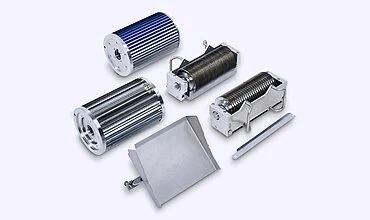
Cutting Inserts
Different insert geometries form cubes, strips, or slices. Keep each tool identified with its proven recipe and inspect cutting edges before every production run.
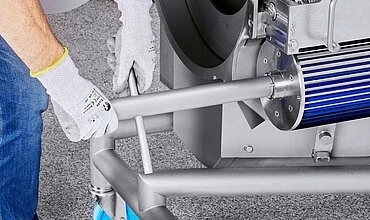
Controlled Changeover
Quick access supports format changes, but speed should never replace lockout, correct lifting, secure installation, and a test cut before normal feeding resumes.
Production Applications and Line Integration
Positioning and Material Flow
In a preparation room, washed and inspected potatoes may arrive from a peeler or conveyor. The feed method should prevent surges and keep operators away from the cutting zone. At discharge, a box up to about 600 mm wide can be considered, or an optional belt can lower the transfer point for integration with downstream equipment.
The receiving conveyor or container must keep pace with actual output. Accumulation beneath the outlet can damage cubes, interrupt flow, and complicate sanitation. Confirm floor loading, wheel locking, drainage, cable routing, and safe walkways before commissioning.

Matching the Downstream Process
Potato cubes may move to blanching, cooking, freezing, canning, or packing, while slices may continue to washing, dewatering, frying, drying, or chilled preparation. Each route has a different tolerance for thickness, surface damage, starch release, and fines. The cutting test should therefore reproduce the intended raw material and evaluate samples after the next critical step, not only at the machine outlet.
Our team can review conveyor height, available footprint, required drop distance, electrical standard, and cleaning schedule so that the cutter fits the broader line rather than becoming an isolated capacity figure.
Operating, Changeover, and Cleaning Workflow
1. Inspect and prepare: Remove stones, metal, spoiled pieces, and potatoes outside the agreed size range. Keep variety, temperature, and surface condition reasonably consistent, then select the documented tool and speed setting.
2. Feed steadily: Introduce potatoes at a controlled rate rather than filling the hopper in sudden surges. Observe sound, vibration, motor load, and finished-product appearance during startup.
3. Cut and collect: The installed tool forms cubes, strips, or slices while the receiver or conveyor removes product continuously. Check several samples for size, broken pieces, and surface quality before increasing feed.
4. Isolate and change over: Stop feeding, allow the chamber to clear, switch off, and apply the site lockout procedure. Handle blades with appropriate protection, fit the new tool correctly, close guards, and verify a small sample.
5. Clean and inspect: After the batch, isolate the machine again, remove retained potato and starch, clean accessible food-contact areas, and follow the approved chemical and rinse procedure. Inspect blades, seals, fasteners, guards, castors, and cables before reassembly. Do not direct unsuitable high-pressure water toward electrical components.
Frequently Asked Questions
-
Can one machine make cubes, strips, and slices?
Yes. The finished format depends on the installed cutting tool and adjustment. Specify the product, dimensions, tolerance, and downstream process so the correct tooling can be confirmed.
-
Is 8,000 kg/h available for every cut?
No. The stated maximum relates to 10 mm potato cubes under suitable conditions. The 5 mm slicing reference is up to 4,000 kg/h. Actual output changes with potato properties, cut size, feeding, knife condition, and quality limits.
-
How do we handle very large potatoes?
The maximum stated diameter is 220 mm, with approximately 90–220 mm identified as the large-product range. Measure the real batch in more than one direction and confirm irregular shapes before final selection.
-
What should be provided for an AGICO quotation?
Please provide potato variety and size range, required cube, strip, or slice dimensions, target hourly output, operating schedule, acceptable fines, electrical supply, upstream preparation, downstream equipment, floor plan, discharge preference, and cleaning method. Representative samples or photos of the raw material and required result help our engineers check the configuration.
-
What must be checked before cleaning?
Stop feeding, empty the chamber, isolate electrical power according to the site procedure, protect personnel from blades, and use approved cleaning methods. After cleaning, verify tool seating, guards, fasteners, and free movement before restart.
Hot Tags: potato dicer machine, China potato dicer machine manufacturers, suppliers, factory